
The Shalagram Museum, located in Kundule, Baglung Municipality–4, has witnessed a significant increase in both domestic and international visitors in recent months.
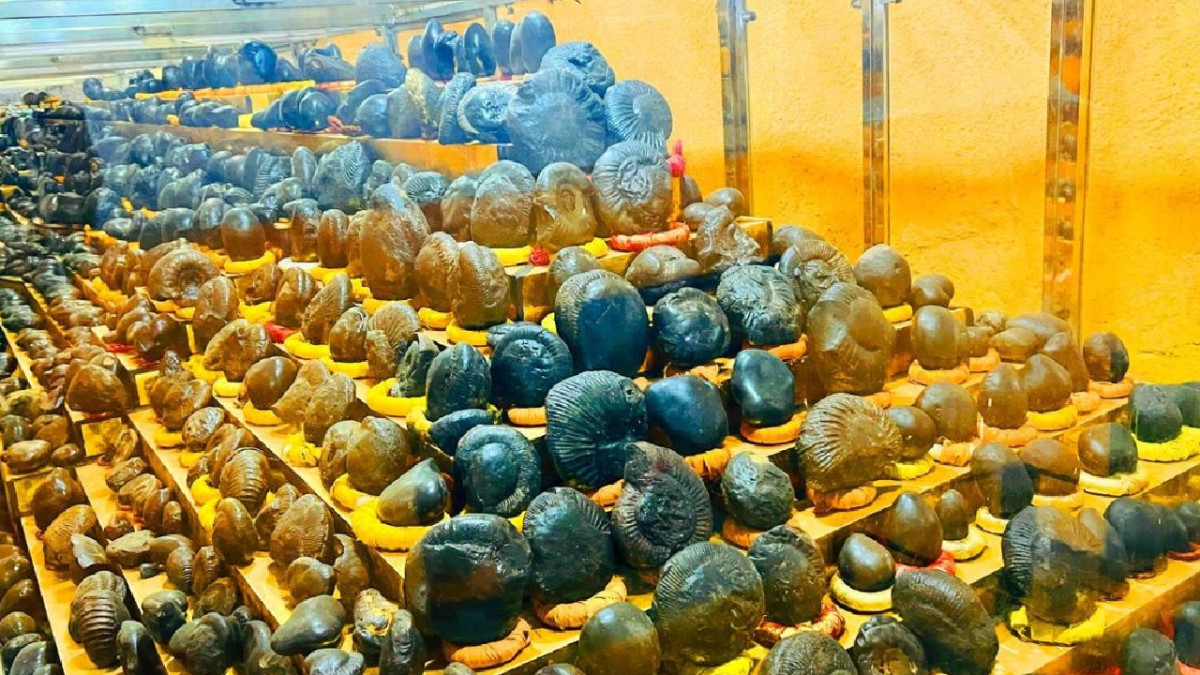
Visitor numbers have risen as the museum offers a rare opportunity to view more than one hundred thousand Shalagram stones (ammonite fossils) at once inside a man-made tunnel. The Shalagrams are preserved within a 100-metre-long tunnel specially constructed for this purpose.
Tourists-particularly those travelling to and from Mustang-have been increasingly stopping at the museum. Currently, an average of 300 tourists visit the site daily, according to Rishi Swami Prapannacharya, the patron of the museum. He said that the number of visitors exceeds one thousand on public holidays.
Prapannacharya informed that more than 25,000 tourists have visited the museum in the past four months alone, while nearly 200,000 tourists visited it last year.
The museum was opened to the public five years ago. Built inside a tunnel shaped like a trident, it features a map depicting the route from Trivenidham to Damodarkunda, along with constructed images of various monasteries and temples. Some of the Shalagram stones displayed in the museum weigh up to 300 kilograms.
“The attraction of Indian tourists, along with Nepali visitors, has increased,” Prapannacharya said. “Initially, the number of tourists was low, but recently, visitor numbers have been rising steadily. Currently, more than a thousand tourists visit during public holidays, and on regular days, the number ranges from 200 to 300.”
Alina Khanal, who visited the museum from West Nawalparasi, said the site holds deep religious significance. She came to the museum while returning home after visiting Muktinath.
“I didn’t know such a large museum existed here. I am very happy to see so many Shalagrams preserved in one place,” Khanal said. “Shalagrams are rarely found along the banks of the Kali Gandaki nowadays, so it was surprising and meaningful to see them collected and protected here. Their preservation is very important.”
Tikaram Pathak, a visitor from Chitwan, said he visited the museum on a family trip. He added that he was particularly impressed by the depiction showing the route from the Damodarkunda source of the Kali Gandaki River to Trivenidham.
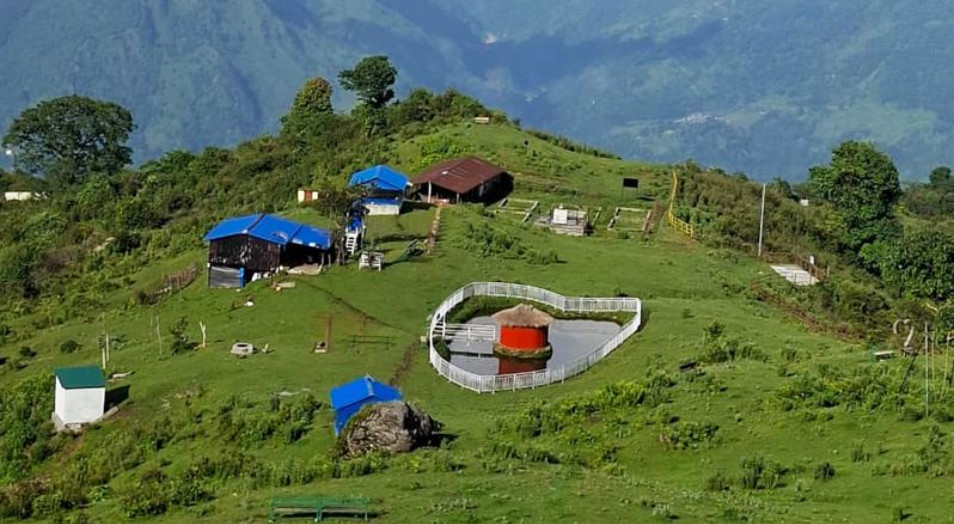
Several religious structures, including the Shreerang Venkatesh Muktinarayan Temple, have also been constructed within the Shalagram Museum area.
A Shalagram stone is a fossilized ammonite, typically black or dark grey, found in Nepal’s Kali Gandaki River. It is regarded in Hinduism as a sacred, non-anthropomorphic representation of Lord Vishnu. Worshipped for blessings of protection, prosperity, and spiritual growth, Shalagram stones bear natural markings believed to symbolize different forms of Vishnu. Their religious significance is further enhanced by their origin in a sacred river and their association with holy sites such as Muktinath.
© 2026 All right reserved to Nepalraibar English | Site By : Sobij