

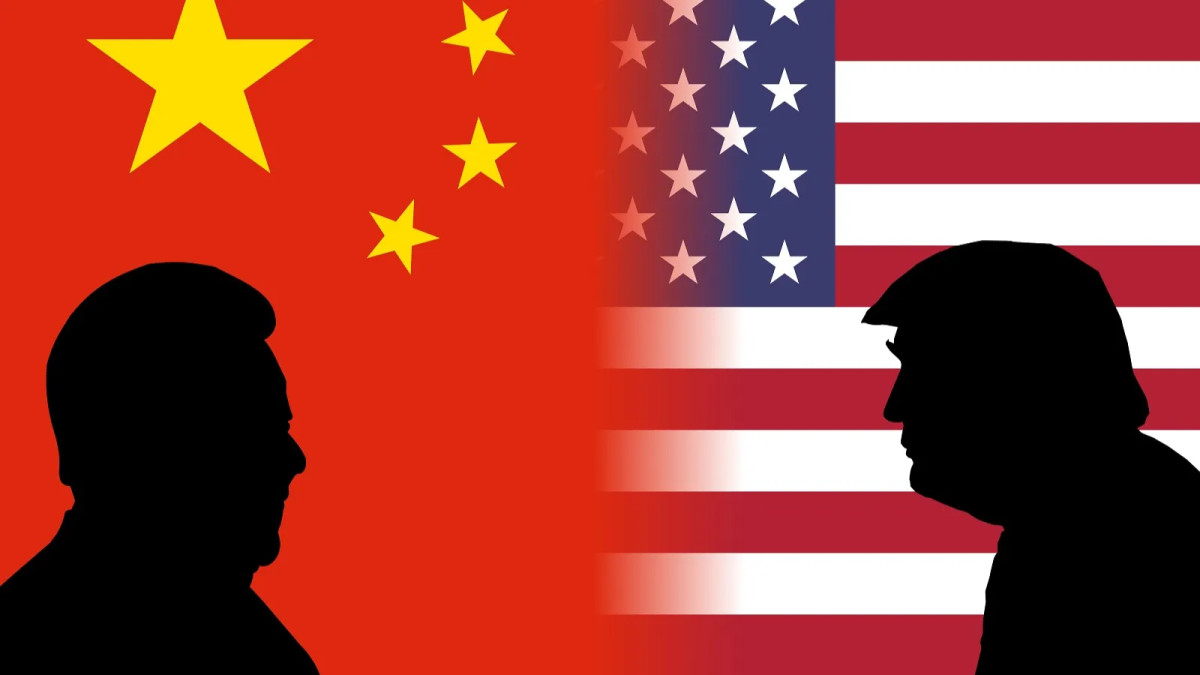
China said on Tuesday it was prepared to “fight to the end” in its escalating trade dispute with the United States, after President Donald Trump announced plans to impose additional 100 percent tariffs on Chinese goods.
The latest move, revealed in a Friday social media post, came in response to Beijing’s announcement of sweeping new export controls on rare earths - a strategic sector where China holds global dominance.
Trump also said Washington would introduce export controls on “all critical software” starting November 1.
The tit-for-tat measures have rattled global markets and cast doubt on a possible meeting between Trump and Chinese President Xi Jinping in South Korea.
“On the matter of tariff wars and trade wars, China’s position remains consistent,” a spokesperson for the Chinese Ministry of Commerce said in a statement. “If you wish to fight, we shall fight to the end; if you wish to negotiate, our door remains open.”
The spokesperson added that “the United States cannot simultaneously seek dialogue while threatening to impose new restrictive measures,” calling it “not the proper way to engage with China.”
Trump appeared to soften his tone on Sunday, saying in another social media post that “it will all be fine,” and that Washington wants to “help” China.
Despite the tensions, China’s latest trade data showed surprising resilience. Official figures released Monday revealed that exports jumped 8.3 percent year-on-year in September - the fastest growth since March - with shipments to the United States rising to $34.3 billion.
Chinese exports currently face US tariffs of at least 30 percent under measures Trump introduced, accusing Beijing of unfair trade practices and involvement in the fentanyl trade. China, in turn, has imposed retaliatory tariffs of 10 percent on US imports.
The ongoing tariff conflict comes as finance leaders gather in Washington for the semi-annual meetings of the International Monetary Fund (IMF) and World Bank, where the global economic impact of the trade war is expected to be a key focus.
The White House maintains that the long-term effects of the tariffs will benefit the US economy, despite growing concerns about market volatility and strained bilateral ties.
© 2026 All right reserved to Nepalraibar English | Site By : Sobij