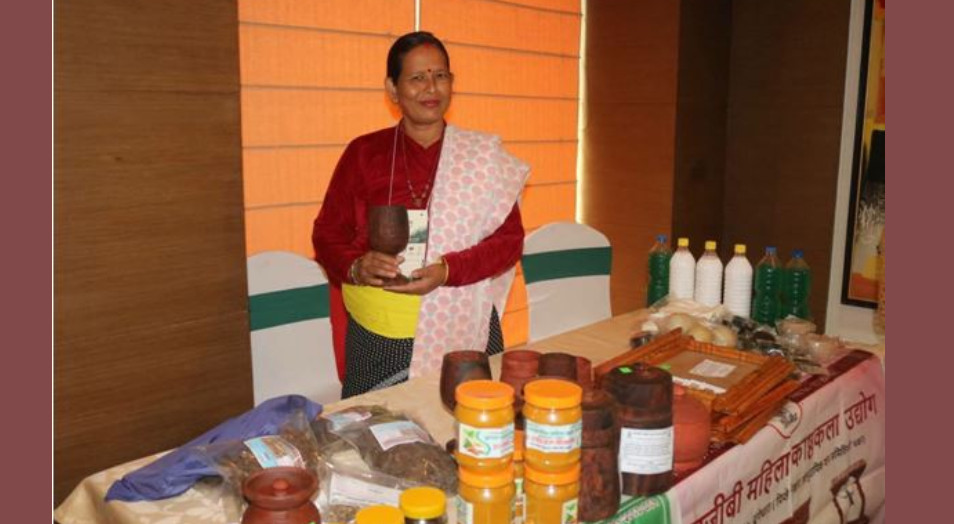


The Raute community, one of Nepal’s last truly nomadic groups, is undergoing a profound transformation as it exchanges its traditional jungle life for settled integration into mainstream society. However, this shift comes with significant challenges, primarily the struggle to find sustainable livelihoods.
For generations, the Rautes lived a nomadic lifestyle, sustaining themselves by hunting monkeys and gathering wild forest tubers and fruits. Their primary means of trade was crafting wooden bowls and boxes, which they bartered with local farmers for grain, cloth, and other essentials.
This way of life has become untenable due to restrictions on cutting trees in the jungle. Resettled by the government, the community now relies on a social security allowance, but members say it is insufficient and are calling for skills-based employment opportunities.
A Shift from Forest to Settlement
"We were brought from the forest to the settlement, and the government provides a monthly allowance. But since I haven't found work that matches my skills, I have to manage on just that allowance," said Badsingh Raute, a resident of Tundikhel in Bhimdatta Municipality-9.
He explained that their traditional craft of woodworking is no longer feasible without access to forest timber. While they participate in community festivals and celebrations, the lack of income remains a critical problem.
Insufficient Allowance, Few Opportunities
The financial strain is a common complaint. "The government gives us four thousand rupees per month, paid every three months. That is not enough to even cover our food expenses," Badsingh shared.
This pressure is fracturing families. Kiri Devi Raute recounted that her son was forced to seek work in India. "We have assimilated into society, but the lack of employment is a major problem. My son left because it became impossible to manage our daily expenses with the allowance," she said.
Despite the hardships, she prefers community life. "It feels good to live here like other citizens. It would have been better, however, if the government had focused on providing us with income opportunities."
A Small Community Seeking a New Path
The three Raute families in Kanchanpur, with a total population of about 500,000, migrated from Darchula via Dadeldhura. Now settled, they are searching for alternatives to their ancestral livelihood.
Anita Raute highlighted the generational gap in skills. "It is difficult to make a living here with the knowledge of our ancestors. We only find daily wage work occasionally," she said. "The government should help us become self-sufficient by teaching us skills that are suitable for today's world."
As they purchase daily essentials with their government allowance instead of bartering wooden crafts, the Raute people stand at a crossroads-caught between a vanishing past and an uncertain future, hoping for the support needed to thrive in their new world.
© 2026 All right reserved to Nepalraibar English | Site By : Sobij