Young media leaders from 16 countries meet in Beijing for dialogue

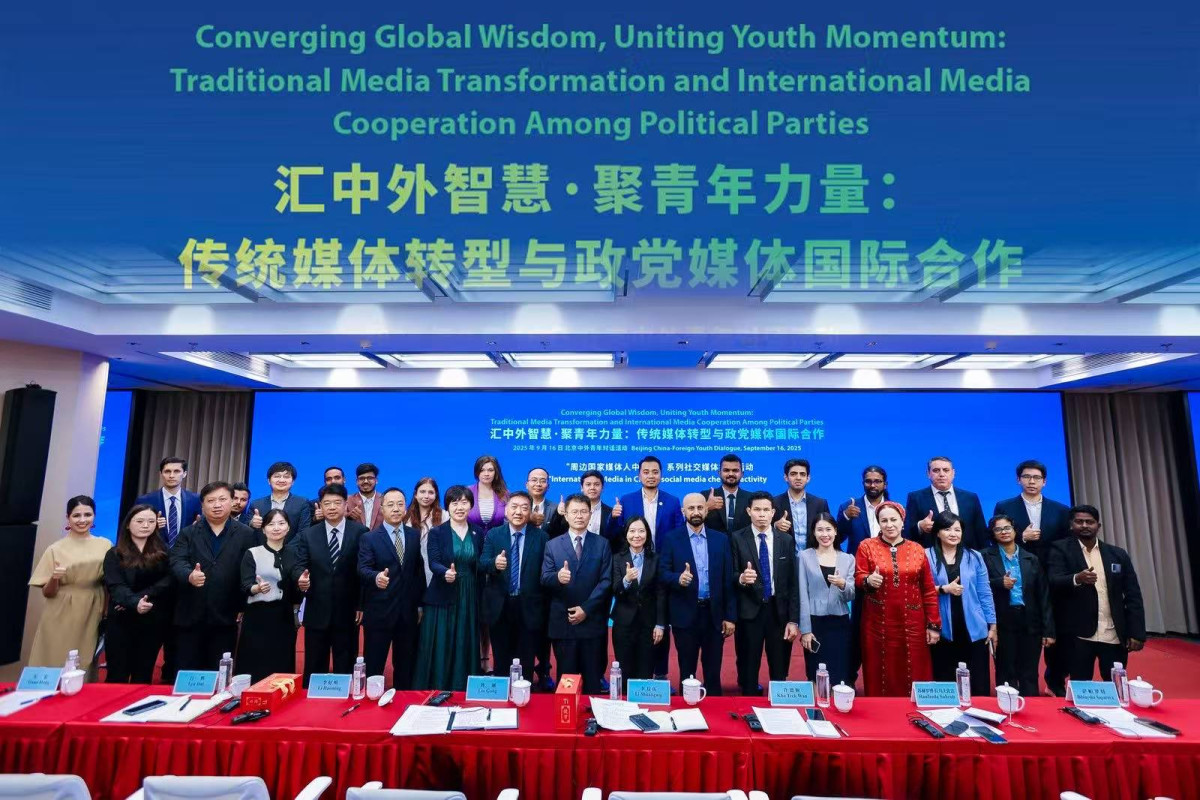
A youth dialogue convening young media leaders, publishers, and scholars from 16 countries was held in Beijing on Tuesday to explore the transformation of traditional media and enhance international cooperation among political parties.
Co-hosted by the Bureau of Public Information and Communication of the International Department of the CPC Central Committee and the Contemporary World Press, the event, themed “Converging Global Wisdom, Uniting Youth Momentum,” served as a platform for in-depth discussions on digital innovation and cross-border collaboration.
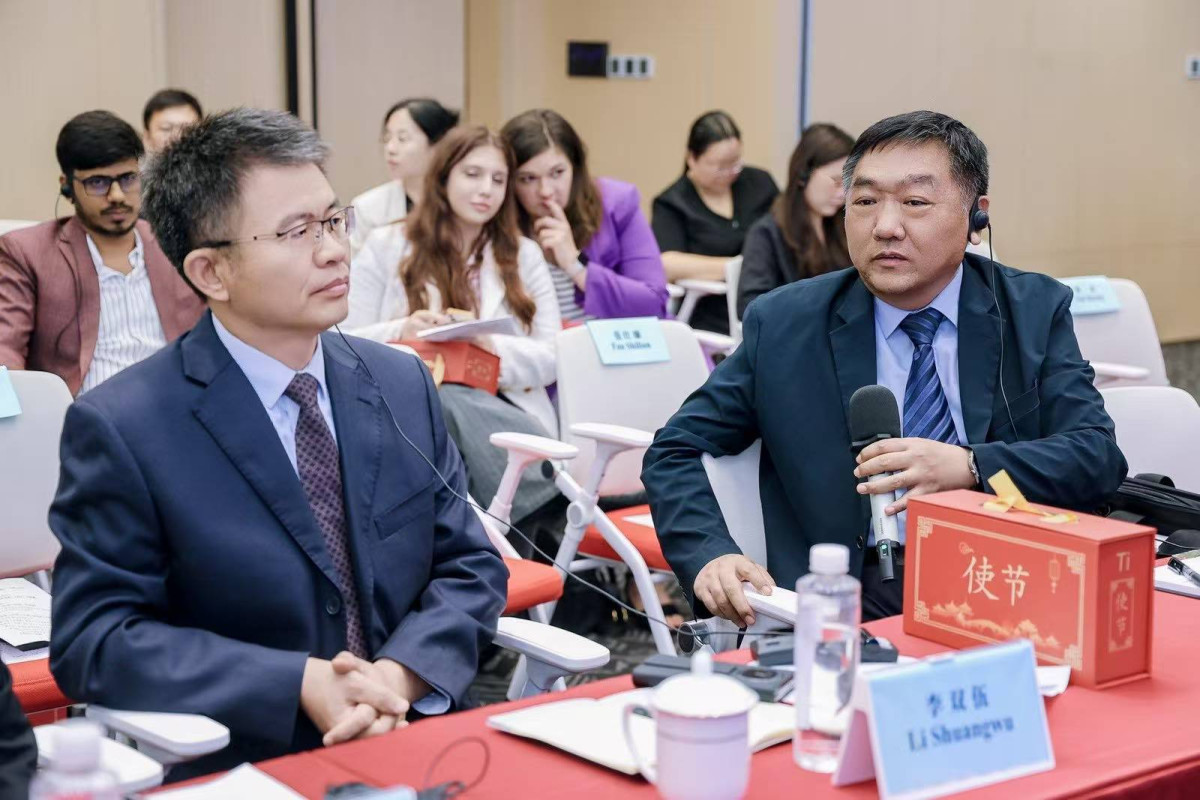
In his welcoming remarks, Li Shuangwu, President and Editor-in-Chief of the Contemporary World Press, emphasized the critical need to unite youth to drive media integration and innovation. He called on global media organizations to "build an open and mutually beneficial platform for dialogue."
Sengthong Phasavath, Deputy Director-General of the Lao News Agency, acknowledged that digital transformation presents both challenges and opportunities for revitalizing traditional media. He stressed that international cooperation should be grounded in shared values, focusing on content sharing, joint talent development, and network building.
Liu Gang, Director-General of the Xinhua Institute, highlighted the importance of intellectual independence and cultural self-awareness for Global South countries. He urged closer collaboration between media and think tanks in the region to promote local cultures, build youth confidence, and advance a more equal and diverse global communication order.
Guan Hong, Vice President of the China Intercontinental Communication Center, outlined essential trends for media outlets: story-driven content, integrated communication, and community-based operations. She proposed creating a content innovation network, a digital technology-sharing platform, and a pool of young talent to enhance international communication.
The event also launched a social media initiative for media professionals from neighboring countries, aimed at deepening their understanding of China and strengthening people-to-people connections.
During a roundtable titled “Breaking Barriers to China-Foreign Media Cooperation Across Time and Space,” participants shared diverse perspectives. Vimukthi Yasas, a committee member of the Media Unit of Sri Lanka's Janatha Vimukthi Peramuna, outlined three principles for cooperation: mutual respect, shared responsibility, and a people-centered approach, noting that differences should be a source of dialogue, not obstacles.
Supachai Siangjun, Social Media and Communication Manager of Thailand's People's Party, proposed a "technology-talent-mechanism" collaboration model. He called for establishing transnational cooperation frameworks to jointly address global challenges such as disinformation.
Mahesh Pandey, a media representative from Nepal, addressed the shifting dynamics and persistent challenges within Nepal’s media environment.
Pandey emphasized the declining credibility of conventional media outlets and the concurrent rise of digital and social platforms. “In Nepal, we face a significant challenge: public trust in media is declining day by day,” stated Pandey. “While traditional media struggles to maintain its strong presence in society, new technology and social media are becoming more popular and accessible to common people. This shift presents both an obstacle and an opportunity for the future of information in our country.”
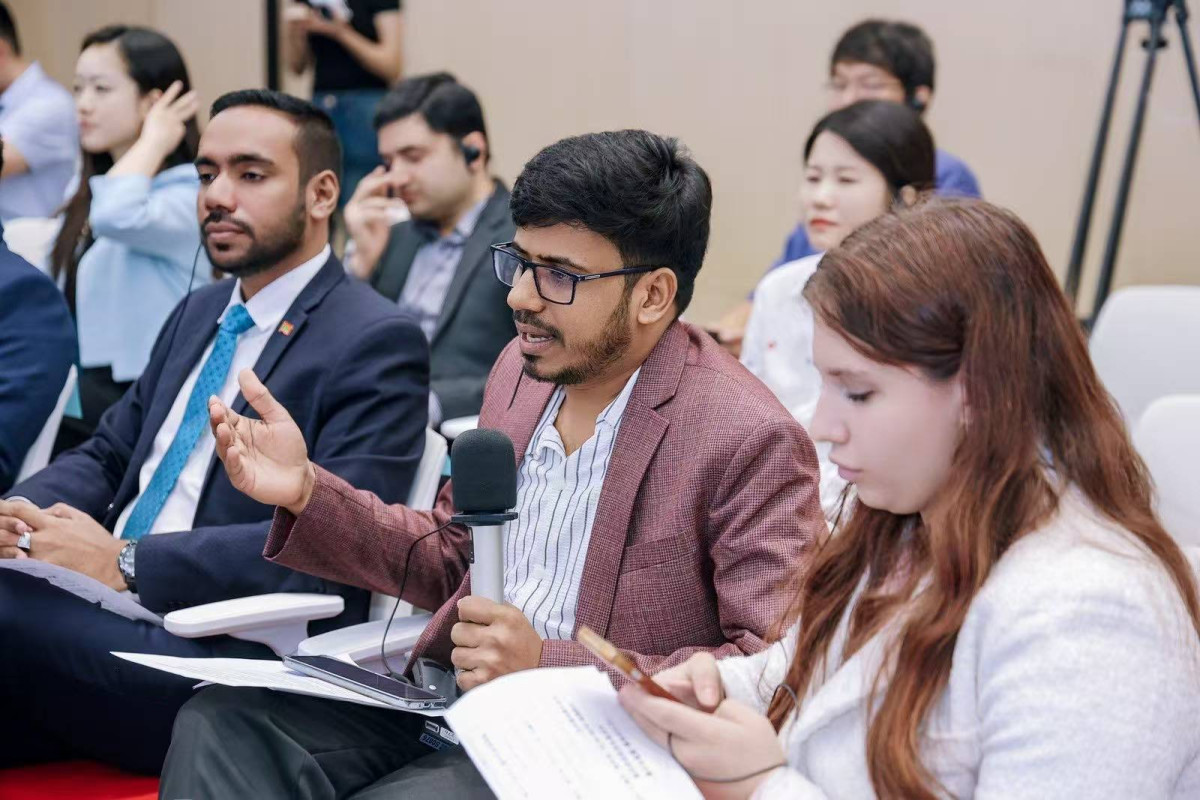
He further noted that although social media offers greater reach and accessibility, the erosion of trust in mainstream media poses a serious threat to informed public discourse and reliable news dissemination. Pandey’s comments underscored a common concern among media practitioners in developing nations: balancing technological adoption with the preservation of credibility and relevance.
Representatives from Xinhua News Agency, Renmin University of China, and China Newsweek also shared insights on international communication practices, the bridging role of youth, and digital strategies. Participants agreed on the need to further harness the innovative vitality of youth in cross-cultural communication and to strengthen the role of political parties and national media in guiding public opinion and serving the people.
© 2026 All right reserved to Nepalraibar English | Site By : Sobij