
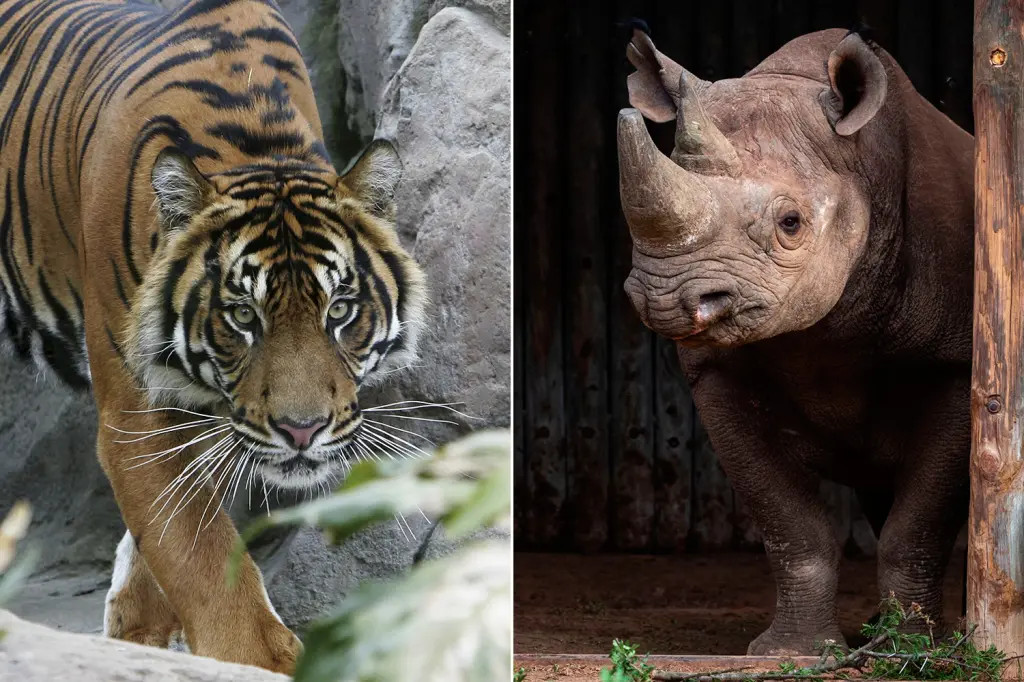
Nepal is set to conduct nationwide censuses of two of its most iconic wildlife species-tigers and rhinos-with tiger counting scheduled for November and the rhino census to follow in April next year.
According to the Department of National Parks and Wildlife Conservation (DNPWC), the tiger census, conducted every four years, will begin in November and is expected to take around three months. The rhino census, which was postponed last year due to a lack of donor funding, will be carried out this fiscal year with partial government funding.
Dr. Ram Chandra Kandel, Director General of the DNPWC, stated that preparations for both counts are underway. The tiger census will cover Parsa, Chitwan, Banke, Bardiya, and Shuklaphanta National Parks. The department has allocated Rs 1.8 million for the initial phase of the tiger census, although total costs are projected to exceed Rs 15 million.
As per the 2022 census, Nepal is home to 335 tigers, with the highest populations recorded in Chitwan National Park (128), followed by Bardiya (125), Parsa (41), Shuklaphanta (36), and Banke (25). Previous tiger counts were conducted in 2009, 2013, and 2018, showing a steady increase in population from 121 in 2009 to 235 in 2018.
The rhino census, set for April, will be conducted primarily through direct sightings while riding elephants. It will cover Chitwan, Parsa, Shuklaphanta, and Koshi Tappu National Parks. The department has earmarked Rs 1.8 million for this effort, although the total cost is expected to exceed Rs 20 million. Additional funding will be sought from external donors.
The last rhino census, conducted in 2021, recorded 752 rhinos across the country. Chitwan National Park alone accounted for 694 rhinos, while numbers in Bardiya rose from 29 to 38, and Shuklaphanta saw an increase from eight to 18. Historical data show a dramatic rebound in rhino numbers: the population had declined to around 100 in the 1960s, after an estimated 800 rhinos roamed the country in the 1950s.
These upcoming censuses are considered crucial for the conservation planning of Nepal’s endangered wildlife, helping assess population trends, threats, and habitat conditions.
© 2026 All right reserved to Nepalraibar English | Site By : Sobij