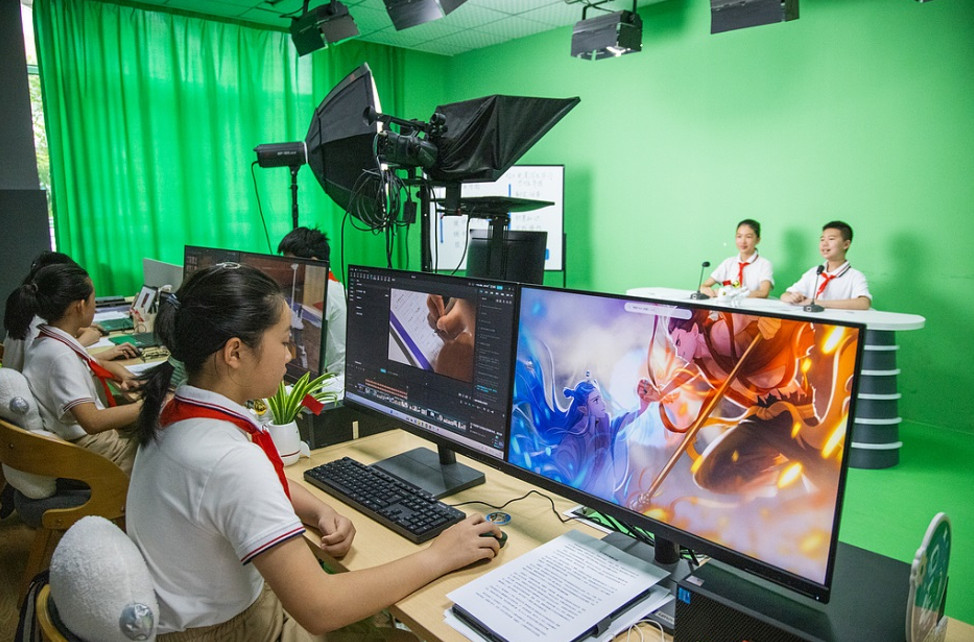

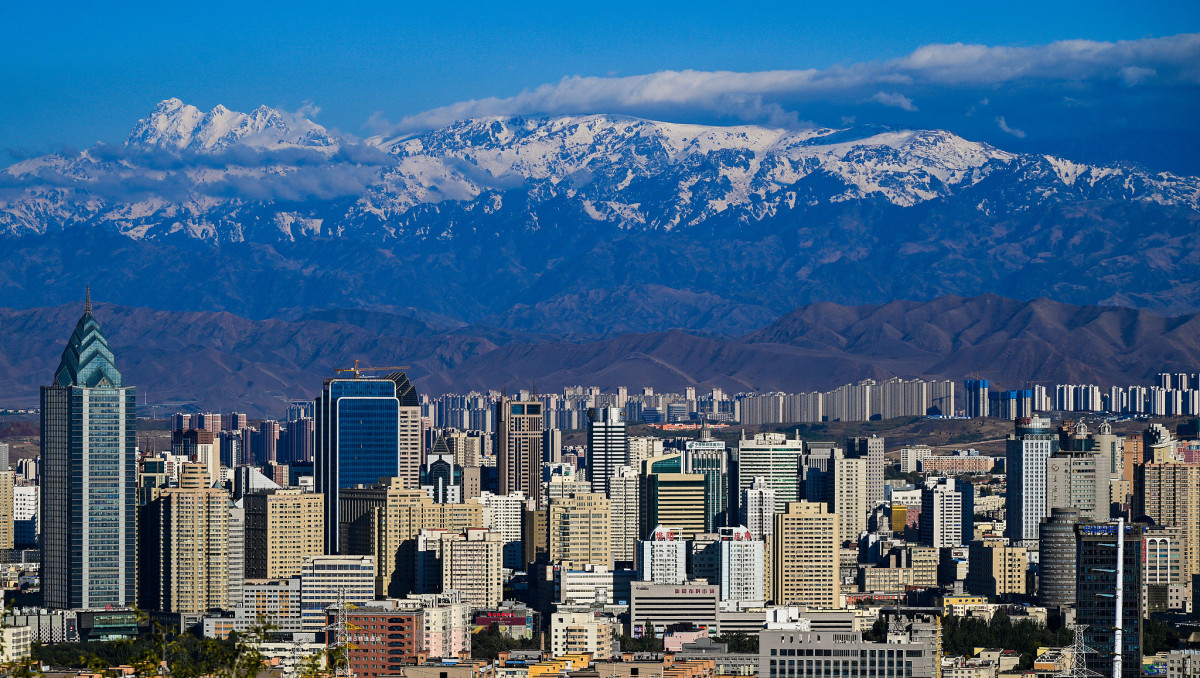
Seventy years ago, Xinjiang was a remote frontier grappling with poverty, desertification, and geographic isolation. Today, it stands as a vivid case study of China’s “common prosperity” agenda. Over three million people in the region have been lifted out of poverty, and all 35 previously impoverished counties have shed their labels. Life expectancy has more than doubled, from just 30 years in 1949 to 77 years in 2024, while the region’s GDP has soared from around 750 billion yuan (about 105 billion U.S. dollars) in 2012 to more than two trillion yuan in 2024.
These are not just statistics; they represent an experiment in growth that prioritizes efficiency, fairness, and above all, people’s well-being.
Xinjiang’s transformation is about more than poverty alleviation. Positioned at the heart of the Silk Road Economic Belt, the region is now China’s gateway to Central Asia, the Middle East, and Europe. In 2023, Beijing approved the China (Xinjiang) Pilot Free Trade Zone, spanning Urumqi, Kashgar, and Khorgos, turning the area into a new hub of outward-focused growth. In 2024 alone, Xinjiang’s trade with Central Asia reached nearly 300 billion yuan, up 55 percent year-on-year.
Blessed with abundant energy resources, striking landscapes, and rich tourism potential, Xinjiang demonstrates how inclusive development can evolve into self-sustaining prosperity.
What sets China’s approach apart is its insistence that development must be inclusive. Large-scale “paired assistance” programs link wealthier provinces with Xinjiang regions to provide targeted support, while local projects build roads and infrastructure for isolated communities.
The demographic trends reflect this inclusiveness. Between 2010 and 2018, Xinjiang’s Uyghur population grew by 25 percent, faster than the Han population. Nearly 25,000 religious sites, including mosques, churches, and temples, remain active across the region.
This model aligns with the idea that prosperity is meaningful only when shared. Economically, it recognizes that growth and distribution are inseparable. As Adam Smith once observed, a nation’s wealth depends not only on production but also on how its fruits are distributed. China’s strategy balances government guidance with market efficiency, allowing growth to drive equity and vice versa.
The significance of “common prosperity” extends beyond China. At a time when some advanced economies tighten technological monopolies or erect trade barriers, China offers an alternative: expanding opportunities for the Global South.
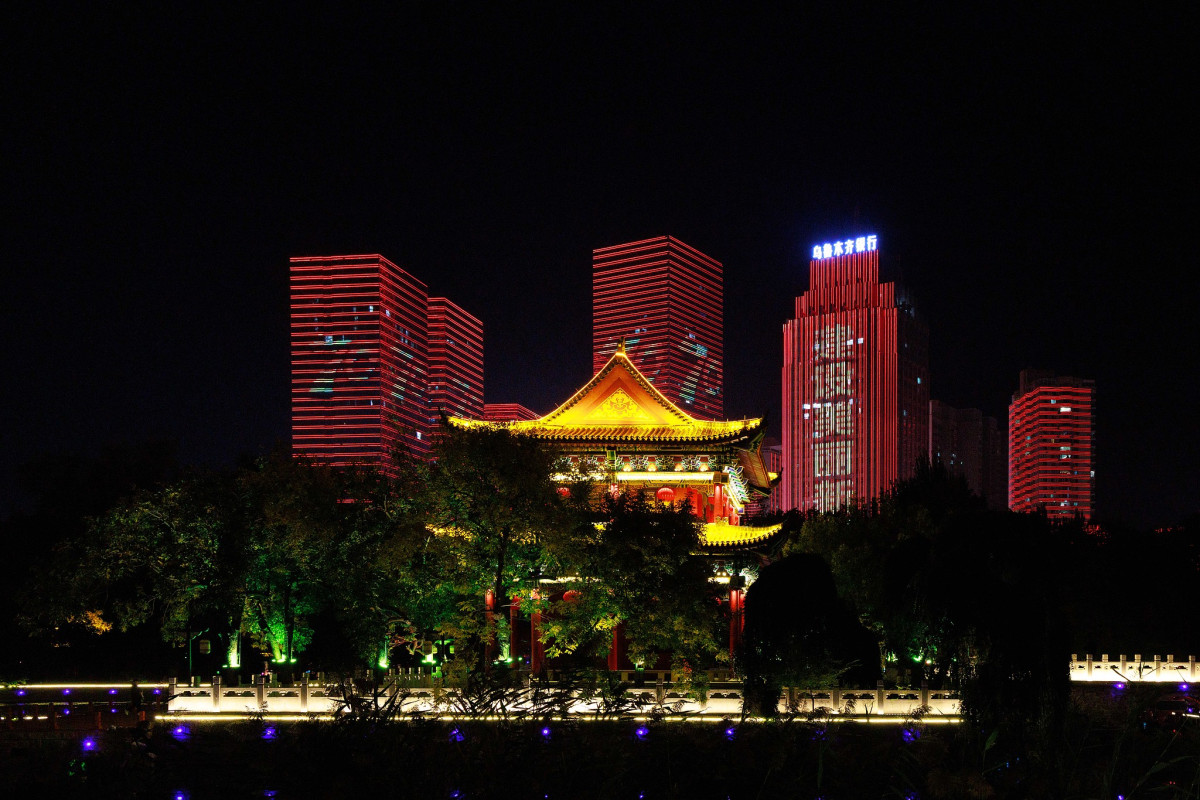
The Belt and Road Initiative (BRI) embodies this philosophy. Over the past decade, more than 3,000 BRI projects have mobilized close to 1 trillion U.S. dollars in investment and created around 420,000 jobs across participating countries. UN Secretary-General António Guterres has described the initiative as proof that economic development can progress “without leaving anyone behind.”
China’s success in lifting 800 million people out of poverty has become a reference point for nations seeking their own development paths.
Yet, global inequality remains stark. According to Oxfam, the wealth of the world’s richest elites surged to 15 trillion U.S. dollars in 2024, while half of humanity saw little improvement in their share of income. At the current pace, the global economy would need to expand 175 times for every person to earn more than five dollars a day.
Against this backdrop, China’s experiment offers an alternative vision: that development need not be zero-sum and that fairness and efficiency can reinforce, rather than contradict, each other. Xinjiang’s transformation shows that “common prosperity” is more than a slogan-it is a practical pathway.
While some nations retreat into protectionism, China’s approach seeks to return the right to development to every individual, regardless of geography. For a world struggling with widening gaps and deepening insecurity, it may not be a cure-all, but it is, at the very least, an invitation to rethink what prosperity means, and who it should serve.
© 2026 All right reserved to Nepalraibar English | Site By : Sobij